

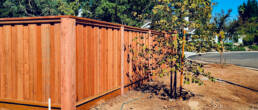
Summer in the Central Valley is hard on anything that lives outdoors, and your fence is out there every single day. Triple-digit afternoons, cooler nights, dry soil, and steady wind all take a toll over time. So when homeowners ask us which fence material holds up best, the honest answer is that it depends on what you want from your fence and how much upkeep you are willing to do. Wood, vinyl, and chain link each respond to heat differently. In this guide, we break down how each material performs in hot, dry conditions, what kind of maintenance to expect, and how to choose the right option for your property. If you are comparing fence materials ahead of a fall or spring project, this is a good place to start.
How Central Valley Heat Tests Every Fence Material
Before comparing materials, it helps to understand what a fence is actually up against here. The Central Valley combines several stress factors that many other parts of California do not face all at once.
Intense Sun and UV Exposure
Long stretches of direct sun break down surfaces over time. Unprotected wood fades and grays, lower-grade vinyl can yellow or turn brittle, and exposed metal coatings wear faster. UV exposure is usually the biggest factor in how a fence looks ten years after it goes in.
Wide Temperature Swings
Hot afternoons followed by cooler nights cause materials to expand and contract. Wood gains and loses moisture, vinyl panels shift slightly within their rails, and steel moves with the temperature. A fence built without room for that movement is more likely to warp, crack, or loosen.
Dry Soil and Wind
Dry, shifting soil can loosen posts that were not set deep enough, and afternoon wind puts steady pressure on solid panels. Post depth, footings, and panel design matter just as much as the material itself. That is why post setting is one of the first things we plan on any job.
As you compare options, keep these three things in mind:
- The material determines how a fence ages in the sun.
- Installation quality determines whether it stays straight and solid.
- Maintenance habits determine how long it keeps looking good.
If you are early in the planning stage, our post on what to know before starting a fencing project covers budgeting, permits, and site prep in more detail.
Wood Fencing in Central Valley Summers: What to Expect
Wood remains one of the most requested fence materials in the Valley, and for good reason. It offers a warm, natural look, full privacy, and plenty of style flexibility. The key is choosing the right wood and protecting it properly. Our wood fence installation work centers on heart-grade California redwood, which naturally resists rot, insects, and temperature swings better than most softwoods. We also offer cedar for homeowners who prefer a lighter tone, since its natural oils help it resist decay.
Heat is still wood’s biggest challenge. The sun draws moisture out of boards, and without protection that leads to fading, graying, surface checking, and eventually warping. This is where preparation makes a real difference. We stain every board on all six sides before installation, so the edges and ends are sealed before the fence ever goes up. Staining after a fence is built usually misses the hidden surfaces where moisture and sun damage tend to start.
With quality redwood, precise milling, and full pre-staining, a wood fence in a hot climate commonly lasts 25 to 35 years or longer. The tradeoff is ongoing care. Plan on periodic re-staining or sealing to keep the color and protection consistent, especially on sections that face the afternoon sun.
Wood is usually the best fit for homeowners who want a classic look, complete privacy, and styles like board-on-board or picket, and who do not mind some routine maintenance. It is also the material our family has built with since 1987, so we know firsthand how well it holds up when it is done right.
How Vinyl and Composite Fencing Handle High Heat and UV
For homeowners who want a clean look without painting or staining, vinyl and composite fencing are worth a close look. Both are engineered to handle sun exposure better than untreated wood, but they behave a little differently in the heat.
Vinyl Fencing
Quality vinyl will not rot, splinter, or attract insects, and UV inhibitors help it resist yellowing and fading under constant sun. The main heat-related concern is expansion. Vinyl grows and shrinks slightly with temperature, so panels need proper spacing and reinforced, well-anchored posts. Thin, low-grade panels are the ones that tend to crack or sag after a few hot summers. When it is installed well, vinyl keeps its shape and color with very little effort on your part.
Composite Fencing
Composite options like Trex blend a wood-style appearance with engineered durability. They resist moisture, fading, and splitting, and they perform well in the wind. Because the material holds its shape, boards stay straighter over time than untreated wood in full sun. Composite is a strong choice when you want the look of wood without the upkeep.
Color and Style Choices That Matter in the Heat
- Lighter colors: White, tan, almond, and gray reflect more heat and hold their color well in full sun.
- Louvered designs: Angled slats allow airflow and shed wind better than solid panels while still providing privacy.
- Full or semi-privacy panels: Solid 6-foot or 8-foot panels offer complete seclusion, while spaced pickets let more air move through.
With proper installation, most vinyl and composite fences last 30 years or more. You can explore colors, layouts, and panel styles on our vinyl and composite fencing page.
Chain Link Fencing in Hot, Dry Conditions
Chain link does not always get enough credit in conversations about heat. Because it is open and made of steel, it does not trap heat, fade the way wood does, or crack like low-grade vinyl. For many Central Valley properties, it is the most practical and cost-effective way to secure a large area. For homeowners who want to keep an eye on kids or pets from across the yard, that open design is a real advantage.
Durability comes down to the gauge and the coating. Our chain link fencing is built primarily with 9-gauge galvanized steel, a heavier material that resists rust and sagging far better than the thin wire used on many budget installs. Proper tension during installation matters just as much. A chain link fence that is stretched correctly stays straight through hot summers and windy afternoons instead of drooping between posts.
If appearance is a concern, vinyl-coated chain link in black, green, or brown adds another layer of rust protection and blends more naturally into landscaping. Privacy slats and windscreen can add seclusion, although solid slats increase wind load, which makes post setting even more important.
With quality materials and proper installation, chain link fences commonly last 20 to 30 years with very little maintenance. It is a common choice for ranch and agricultural boundaries, large residential lots, pet containment, and pool areas where visibility matters. Homeowners with larger properties in Fresno County often find it covers long runs affordably without giving up strength.
Choosing the Best Fence Material for Your Central Valley Property
There is no single best fence for every home. The right choice depends on what you need your fence to do. Here is how we typically guide homeowners based on their main goal.
If Privacy Is Your Top Priority
Board-on-board redwood and full-privacy vinyl panels both block sightlines completely. Wood offers a more natural look, while vinyl eliminates staining. For privacy with airflow, louvered styles are a good middle ground, and our specialty fence options include both louvered and grape stake designs.
If You Want the Lowest Maintenance
Vinyl and composite require the least upkeep, usually just an occasional rinse. Galvanized or vinyl-coated chain link comes in a close second.
If You Need to Cover a Lot of Ground
For large lots, pastures, and long property lines, chain link usually offers the best balance of cost, strength, and longevity. It is also one of the easier materials to extend later if your property needs change.
If You Have a Pool
Pool areas usually need a barrier that meets safety requirements, including proper height and self-closing, self-latching gates. Vinyl, chain link, and wrought iron are all common choices, and the right one depends on whether you want privacy or clear visibility around the water.
If Curb Appeal Matters Most
Redwood and vinyl picket fences both add front-yard charm. For a more upscale, open look that still handles the heat well, some homeowners choose ornamental wrought iron fencing instead.
Not sure where your property fits? During a free on-site estimate, we look at sun exposure, soil, lot size, and any HOA rules before recommending a material.
Central Valley Fence Material Comparison at a Glance
Here is a quick summary to help you compare your options side by side. If two materials seem like a close call, the deciding factor is often how much time you want to spend on upkeep each year.
| Material | Heat and UV Performance | Maintenance | Typical Lifespan | Best For |
|---|---|---|---|---|
| Wood (redwood or cedar) | Good with six-sided pre-staining | Periodic re-staining | 25 to 35+ years | Natural look, full privacy |
| Vinyl and composite | Very good, UV-inhibited | Occasional rinse | 30+ years | Low upkeep, clean lines |
| Chain link (galvanized) | Excellent, no fading or warping | Minimal | 20 to 30 years | Large lots, security, value |
Whichever material you choose, installation quality makes the biggest difference in hot weather. Properly set posts, correct tension or panel spacing, and quality hardware keep a fence standing straight for decades. Every fence we build is backed by our 3-year workmanship warranty, and we can add matching walk gates or driveway gates through our gate installation and automation services to complete the project.
Get a Free Estimate for Your Central Valley Fence Project
Choosing between wood, vinyl, and chain link is easier when someone can look at your property in person. Our family crew has been building fences across the Central Valley for decades, and we are happy to walk your yard, talk through your goals, and recommend the material that will hold up best in your space. We serve homeowners in Los Banos and throughout the region, including communities across Stanislaus County.
After your on-site visit, you will receive a detailed written quote within 24 hours, and most projects are scheduled within two weeks. Ready to find the right fence for your home? Get a Free Estimate today.
Ready to Get Started? Get a Free Estimate Today!
Inspired to upgrade your outdoor space? As a trusted, family-operated team rooted in Los Banos, we’re ready to deliver the same thoughtful design and durable results for your project. Contact us for a no-obligation free estimate and let’s get started on something special.
Like this article? Spread the word!
Related Posts

June 1, 2026
Frank Soares Construction Shares What to Know Before Starting a Fencing Project in Merced County
Discover what to know before starting a fencing project in Merced County with expert tips…
October 1, 2026
Wood vs. Chain Link Fencing: Which Is Better for Your Fresno County Property?
Comparing wood and chain link fencing for your Fresno County property? Get a Free…

September 1, 2026
Frank Soares Construction’s Guide to Automatic Gate Installation in Stanislaus County
Thinking about an automated driveway gate in Modesto or Turlock? Get a Free Estimate from…